Does Laser Skin Resurfacing Improve Skin Texture?
- Bilal Raja
- May 26, 2025
- 5 min read

In the pursuit of youthful, radiant skin, many individuals are turning to advanced cosmetic treatments that promise visible improvements without invasive procedures. Among these, Laser Skin Resurfacing in Abu Dhabi has gained significant popularity for its ability to rejuvenate the skin's surface. This treatment harnesses the power of focused laser energy to target skin imperfections, promoting a smoother, more even complexion. It’s a minimally invasive technique that offers remarkable results, making it a preferred choice for those seeking to enhance their skin texture and overall appearance.
Understanding Laser Skin Resurfacing
What Is Laser Skin Resurfacing?
Laser skin resurfacing is a cosmetic procedure that uses concentrated laser beams to remove damaged or aged skin layers. The process stimulates the body’s natural healing response, encouraging the growth of new, healthy skin tissue. This method effectively addresses a variety of skin concerns, including uneven texture, fine lines, scars, and pigmentation issues. The precision of laser technology allows for targeted treatment, minimizing damage to surrounding areas and ensuring optimal results.
How Does Laser Skin Resurfacing Work?
The procedure involves directing laser energy onto the skin’s surface, which vaporizes the outer damaged layers. This controlled ablation prompts the skin to heal itself by producing new collagen and elastin fibers—key proteins responsible for skin firmness and elasticity. As a result, the skin becomes smoother, tighter, and more resilient. The depth and intensity of the treatment can be tailored to meet individual skin conditions, making it suitable for a wide range of skin types and concerns.
Impact of Laser Skin Resurfacing on Skin Texture
Can Laser Skin Resurfacing Improve Skin Texture?
Absolutely. One of the primary benefits of Laser Skin Resurfacing is its ability to significantly improve skin texture. The treatment effectively reduces the appearance of roughness, unevenness, and superficial scars, such as those caused by acne or injury. By removing damaged skin layers and stimulating collagen production, laser resurfacing leads to a visibly smoother surface. It diminishes fine lines and superficial wrinkles, contributing to a more refined skin texture.
How Does It Achieve Skin Texture Enhancement?
The improvement in skin texture is primarily achieved through the removal of the outermost damaged skin layers, revealing fresh, healthy tissue underneath. The process also boosts natural collagen synthesis, which fills in fine lines and plumps the skin. Over time, this results in a more uniform and supple skin surface. Laser skin resurfacing can be customized to target specific areas with precision, ensuring optimal texture correction while preserving the natural skin characteristics.
Types of Laser Skin Resurfacing Techniques
Ablative vs. Non-Ablative Laser Resurfacing
Laser skin resurfacing techniques are generally categorized into ablative and non-ablative procedures:
Ablative lasers (such as CO2 and Erbium lasers) remove the outer layers of skin, offering more dramatic results for skin texture improvement. They are effective for deeper scars and more pronounced skin irregularities but may require longer recovery times.
Non-ablative lasers work beneath the surface without removing skin layers, promoting collagen growth gradually. They are suitable for milder skin texture issues and typically involve minimal downtime.
Fractional Laser Resurfacing
Fractional laser technology has revolutionized skin resurfacing by delivering laser energy in a pixelated pattern, creating microscopic zones of controlled injury. This approach stimulates collagen production while leaving surrounding tissue intact, leading to faster healing and reduced discomfort. Fractional resurfacing is highly effective for improving skin texture, fine lines, and pigmentation concerns, making it a versatile option.
Benefits Beyond Skin Texture
Additional Skin Improvements
While the primary goal is often to enhance skin texture, Laser Skin Resurfacing offers a plethora of other benefits. These include reduction in pigmentation irregularities, minimization of enlarged pores, and improvement in overall skin tone. The treatment also helps diminish fine lines around the eyes and mouth, contributing to a more youthful appearance. Moreover, it can improve the skin's elasticity and firmness, resulting in a more lifted look.
Long-Term Results
With proper skin care and sun protection, the results of laser resurfacing can last for years. The treatment not only addresses existing skin imperfections but also boosts the skin's resilience against future damage. Over time, continued skincare routines and periodic maintenance sessions can help sustain the improved skin texture and overall health.
The Procedure Process
What to Expect During the Treatment
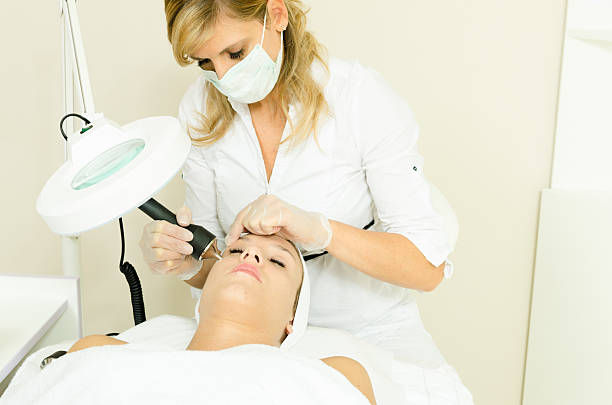
The process begins with a thorough assessment by a qualified skincare professional to determine the most suitable laser type and treatment plan. Prior to the procedure, the skin may be cleansed and numbing agents applied to minimize discomfort. During the treatment, the laser device is systematically moved over targeted areas, delivering precise energy to ablate damaged skin layers and stimulate new tissue growth.
Post-Treatment Care
Following the procedure, the skin may appear red or swollen, similar to a mild sunburn. Proper post-treatment care involves keeping the skin moisturized, avoiding sun exposure, and following any prescribed skincare routines. While downtime varies depending on the laser type and individual skin response, most patients can resume daily activities within a few days, with full healing typically occurring within a week to ten days.
Suitability and Preparation
Is Laser Skin Resurfacing Right for You?
Candidates for laser skin resurfacing generally include individuals with concerns about uneven skin texture, fine lines, superficial scars, or pigmentation issues. A comprehensive consultation will assess skin type, medical history, and specific concerns to determine suitability. It’s important to have realistic expectations and understand that multiple sessions may be necessary for optimal results.
Preparing for the Treatment
Preparation involves avoiding sun exposure, discontinuing certain skincare products, and following any instructions provided by the skincare professional. Adequate skin hydration and overall health optimization can enhance treatment outcomes. Protecting the skin from UV rays before and after the procedure is crucial to prevent complications and ensure the best possible results.
Recovery and Maintenance
Post-Treatment Recovery
Recovery time varies based on the laser technique used. While non-ablative treatments typically involve minimal downtime, ablative procedures may require a few days to a week for healing. During this period, patients should follow specific skincare routines, avoid strenuous activities, and protect the skin from sun exposure. Proper aftercare helps reduce the risk of infection, pigmentation changes, or other side effects.
Long-Term Skin Care
Maintaining the benefits of laser skin resurfacing involves a consistent skincare regimen, including sun protection, hydration, and the use of recommended skincare products. Regular follow-up treatments can also help sustain and enhance results, especially for those with ongoing skin concerns or aging signs.
Final Thoughts on Skin Texture Improvement
In summary, Laser Skin Resurfacing Abu Dhabi is a highly effective solution for improving skin texture and overall skin quality. By precisely removing damaged layers and stimulating collagen production, it offers a pathway to smoother, firmer, and more youthful skin. The customization options allow treatment to be tailored to individual skin conditions, making it suitable for a wide range of concerns. When performed by trained professionals, laser resurfacing can transform skin appearance, boosting confidence and aesthetic satisfaction.


Comments